
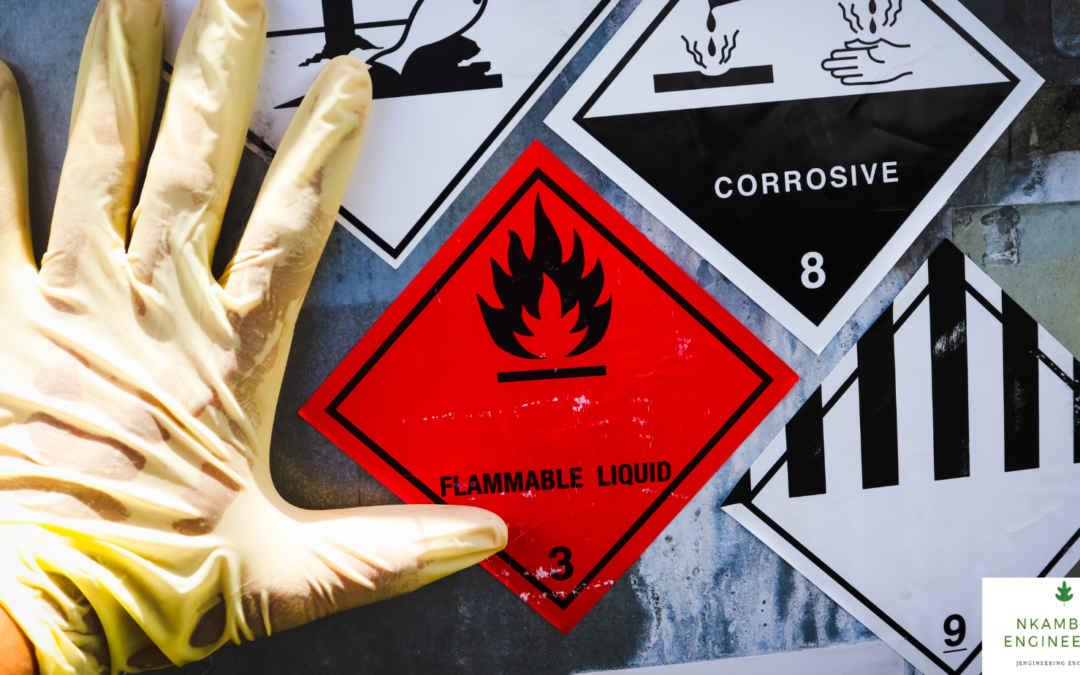
Understanding Hazardous Areas
A hazardous area is any environment where flammable or explosive gases, dust, or vapors may be present in sufficient quantities to pose a risk of fire or explosion. These areas require careful classification to ensure safety and implement appropriate precautions.
One of the key concepts in hazardous area classification is the combustion triangle, which illustrates the three essential components needed for a fire or explosion to occur: oxygen, fuel, and heat.
The Combustion Triangle
The combustion triangle is a fundamental concept in fire safety. Understanding it is crucial for managing fire risks in industrial and commercial environments. The three elements are:
- Oxygen Source: Oxygen supports combustion by reacting with fuel to release heat and sustain a fire.The Earth’s atmosphere contains about 21% oxygen, which is sufficient to sustain combustion if fuel and heat are present. Fire suppression methods, such as fire blankets and certain extinguishers, work by removing oxygen from the combustion process to stop the fire.
- Fuel Source: A fire cannot start without a combustible material. Common fuel sources include fabrics, wood, oil, paper, and industrial chemicals. Different materials have different flash points, which is the lowest temperature at which they can ignite in the presence of an ignition source. Proper storage of flammable materials is essential to reducing fire risks in both industrial and household settings.
- Heat Source: Heat is necessary to raise the fuel to its ignition temperature. Once a fire starts, it generates additional heat, sustaining the combustion process. Common heat sources include electrical sparks, open flames, overheated equipment, and chemical reactions. Water is often used as a cooling agent for fires, but it is not suitable for all types of fires, particularly those involving oil or electrical sources.
The Flash Point and Fire Safety
The flash point is the lowest temperature at which a flammable substance produces enough vapor to form an ignitable mixture with air. Once the ignition source is removed, some substances will stop burning, while others may continue combustion. Understanding flash points is critical when working with hazardous materials.
Hazardous Area Classification & Safety Measures
Hazardous areas are classified based on the likelihood of explosive gases or vapors being present. Proper classification helps determine the necessary safety precautions, including:
-
Installing explosion-proof electrical systems.
-
Implementing proper ventilation to reduce gas concentrations.
-
Using fire-resistant materials for construction and equipment.
-
Ensuring all personnel are trained in fire safety protocols.
Conclusion
Understanding the combustion triangle and the factors that contribute to hazardous environments is essential for preventing fires and explosions. By properly managing fuel sources, controlling ignition risks, and ensuring adequate ventilation, businesses can create safer working environments.
At Nkambula Engineering, we specialize in hazardous area inspections and classifications, helping industries maintain the highest safety standards. Contact us today to learn more about our safety solutions.